
0 m+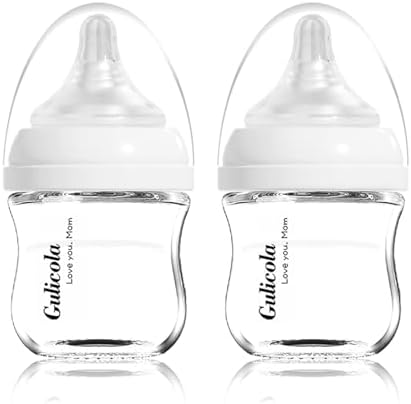
We make bottles in 3, 5, 7, 8 and 9 oz. That is not five ways to sell the same thing; a newborn feed and a nine-month feed are different jobs, and a bottle sized to the feed is easier to warm, easier to hold and wastes less.
Early feeds are small and frequent. A 3 oz bottle fills to a newborn portion, warms through quickly, and is small enough to look sensible in tiny hands. Ours ship with the Level 0 extra slow nipple. Once feeds outgrow it, the 3 oz stays useful for water later on.
From around a month, most feeds land in 5 oz territory. This is the size we make in the most colours and packs, in glass and PP, because it is the one that lives in the steriliser basket for months.
Past three months feeds get larger and further apart. The 8 oz glass carries a Level 2 medium nipple out of the box; the 7 and 9 oz PPSU bottles cover the same stage for parents who want the lighter material. From six months the 9 oz weighted straw cup joins in for water alongside meals.
Size the bottle so a normal feed fills most of it. A bottle routinely a third full is a size too big; a bottle your baby drains and complains at is a size too small. The flow finder sorts the nipple side of the same question.
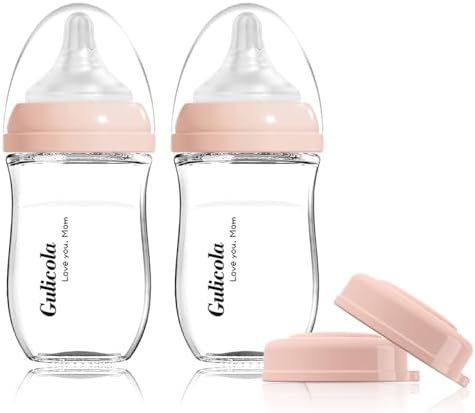
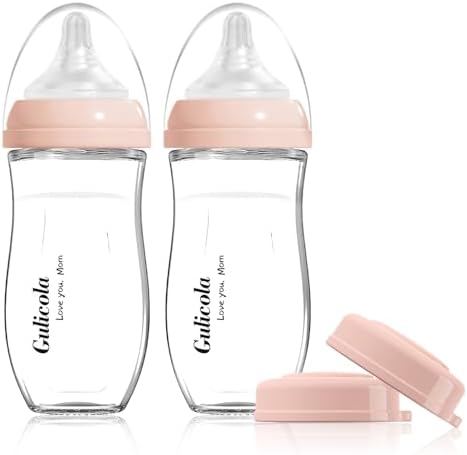
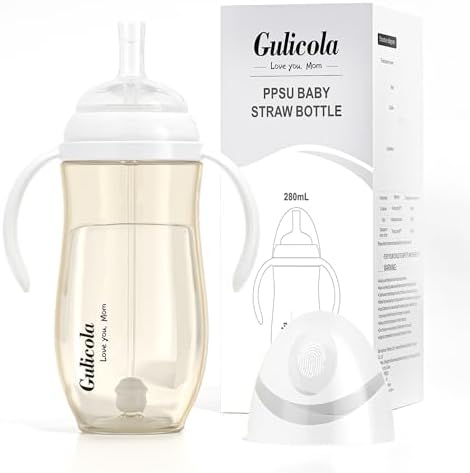
We make the same wide-neck bottle in three materials. Here is how we decide which one to hand a parent.
Read the note →SS to LL, Level 0 to Level 4. What the codes on our nipples mean and when we suggest moving up.
Read the note →Four parts, no hidden channels. Our routine for keeping bottles clean and knowing when silicone is done.
Read the note →