
0 m+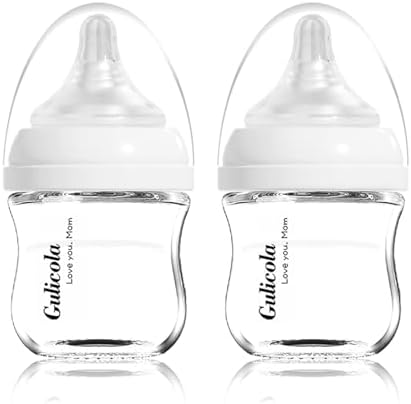
Every bottle we make shares one wide-neck shape and takes the same five nipple levels. The material is the real choice, and we make three of them, so we have no reason to talk one up over another. Here is how they actually differ in a kitchen.
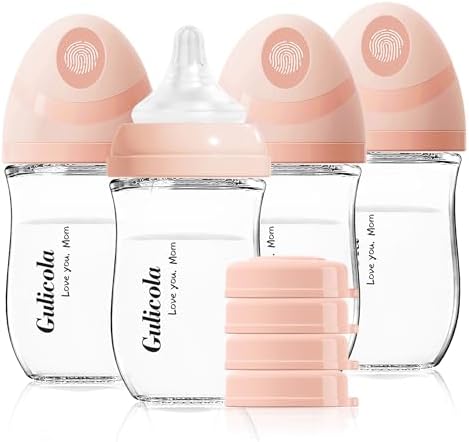
Glass is where we started. Borosilicate handles the jump from fridge to warm water bath without complaint, carries no taste of its own, and stays clear after months of washing. The trade is weight: a full 8 oz glass bottle is a two-hand object for a small baby. Our glass bottles come apart into four pieces, and for grip we make silicone sleeves that slide over the 5 oz size.
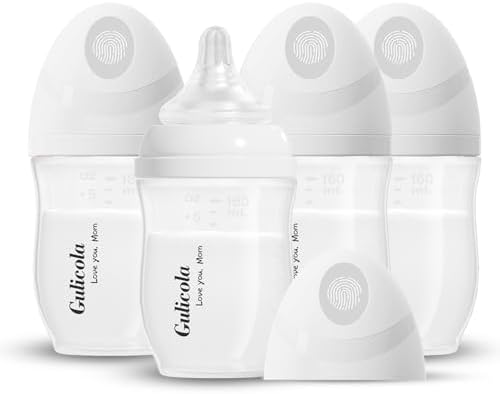
PP is the material we print NOT glass next to on the listing, because the two look alike in photos and mixing them up is annoying. A PP bottle weighs a fraction of the glass one, which matters in a nappy bag and matters more once your baby insists on holding the bottle alone. PP scuffs faster than the other two and can hold a faint smell of formula if it sits unwashed overnight, so it rewards a same-day rinse.
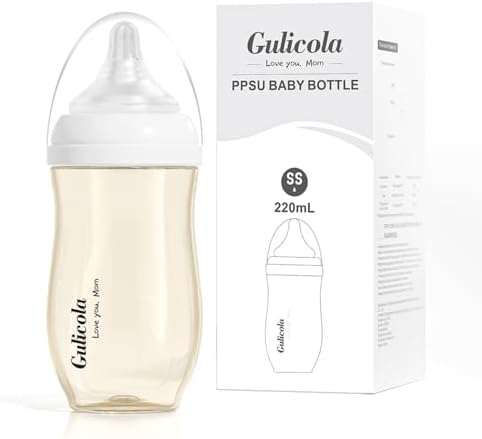
PPSU is the honey-tinted material. It shrugs off repeated sterilising cycles better than PP, stays lighter than glass, and is what we chose for our 7 oz and 9 oz bottles and the weighted straw cup. If one bottle has to do everything, this is the one we point to.
Whatever you pick, the nipples move with you. A Level 2 nipple from the glass bottle screws straight onto the PPSU one.
SS to LL, Level 0 to Level 4. What the codes on our nipples mean and when we suggest moving up.
Read the note →Four parts, no hidden channels. Our routine for keeping bottles clean and knowing when silicone is done.
Read the note →Why our smallest bottle holds 3 oz, what the 5 oz is for, and when the big bottles earn their place.
Read the note →